

Preparing for a career in school support is essential. This comprehensive guide helps applicants navigate the recruitment process successfully. We discuss how to highlight your strengths while showing a deep commitment to overall student success today.
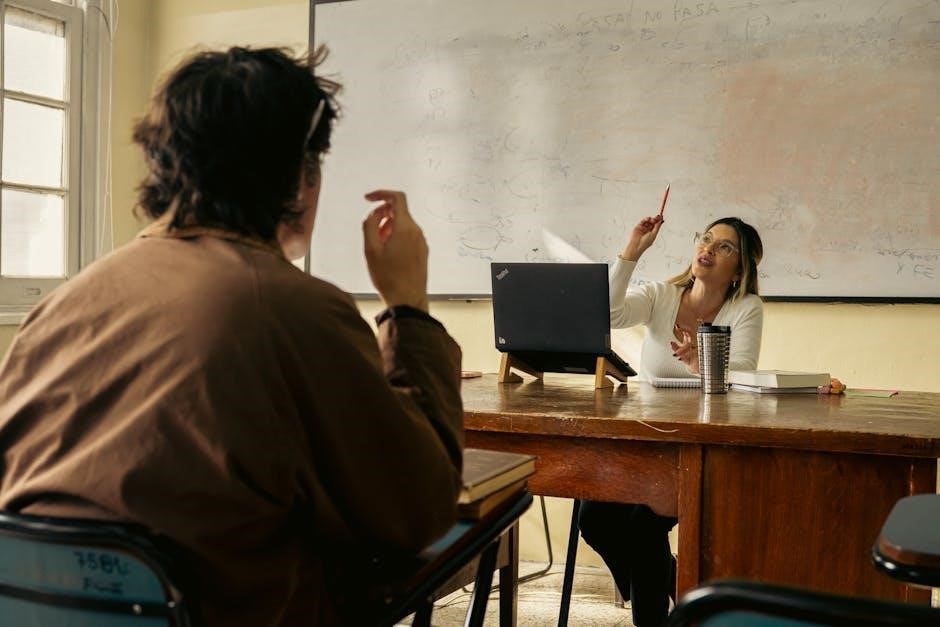
General Background and Experience Questions
These opening queries allow employers to gauge your suitability. This phase provides a high-level summary of your path. It ensures the candidate possesses the basic traits needed before diving into the rest of the entire conversation.
Your Motivation for Becoming an Instructional Aide
When an interviewer asks why you want to enter this role, they are searching for your inner drive and passion for education. This is your moment to shine by connecting your personal values with the goals of the school. Focus on your genuine desire to make a difference in the lives of children. Discuss the satisfaction you feel when a student finally grasps a difficult concept or gains confidence in their own abilities. Your answer should reflect a deep-seated commitment to fostering an environment where every child feels seen and supported. Mention how your enthusiasm for learning inspires those around you and why you find this specific position more appealing than others in the field. Avoid generic answers; instead, provide a heartfelt explanation of what pulls you toward this vocation. By demonstrating a sincere passion for student growth, you prove that you are not just looking for a job, but are pursuing a calling. This authenticity helps the employer see you as a dedicated professional who will bring positive energy and relentless, unwavering support to the classroom every single day now.
Relevant Experience and Qualifications
When discussing your background, emphasize the specific milestones that have prepared you for this demanding role. Start by highlighting your formal education, such as a degree in early childhood development or a certification in paraprofessional studies. Clearly explain how these academic achievements provide a theoretical foundation for your practical work. Move then to your hands-on experience, whether it was gained through volunteering at local community centers, working in daycare settings, or previously serving in similar school environments. Describe the specific tasks you performed, such as assisting with lesson preparation or overseeing recess activities. Be precise about the age groups you have worked with, as this demonstrates your versatility across different grade levels. Use concrete examples to show how your prior roles have equipped you with the necessary tools to support a lead teacher effectively. By linking your past achievements to the current requirements of the job, you present yourself as a qualified candidate. Ensure that your response is structured logically, moving from formal credentials to practical application, thereby painting a complete picture of your professional readiness and capability for this role.

Personal Strengths and Areas for Growth
When answering questions about your strengths, focus on attributes that directly benefit the students and the teacher. Patience is a paramount quality for any aide, as it allows you to support struggling learners without frustration. Mention your ability to remain calm under pressure and your capacity for empathy, which helps in building trust with children who may feel overwhelmed. Highlight your organizational skills, explaining how they help you keep materials ready and the classroom orderly. Transitioning to areas for growth requires a balance of honesty and ambition. Instead of listing a flaw that could be a liability, identify a skill you are actively working to improve. For example, you might discuss your desire to become more proficient in educational technology or your goal to learn more about specific literacy interventions. Explain the steps you are taking to achieve this growth, such as enrolling in an online course or seeking mentorship from a veteran colleague. This approach demonstrates a growth mindset, showing the interviewer that you are self-aware, proactive, and dedicated to continuous professional improvement throughout your entire career as a professional.
Classroom Management and Behavioral Questions
Maintaining order in the classroom is a vital skill for any support staff member. Interviewers will want to know how you handle various behavioral challenges while supporting the lead teacher in a very dynamic school environment.
Strategies for Handling Disruptive Behavior
When an interviewer asks about managing disruptions, they seek evidence of your patience and consistency. Start by explaining your approach to identifying the root cause of the behavior. Mention the importance of using non-verbal cues, like a gentle tap on a desk or a specific look, to redirect a student without interrupting the flow of the entire lesson. Discuss the application of a tiered response system where minor infractions are handled with subtle reminders, while more persistent issues are addressed through private conversations. Emphasize the need to remain calm and objective, ensuring that the student feels supported rather than attacked. You should describe how you implement pre-established classroom rules and reward systems to encourage positive choices. Explain that your primary goal is to minimize the impact of the disruption on other learners while helping the struggling student regain their focus. Providing specific examples of past successes shows your competence. Mentioning that you document incidents accurately for the lead teacher is also crucial. This demonstrates your ability to track patterns and contribute to a long-term behavioral plan for the child’s overall success.

Creating a Positive and Inclusive Learning Environment
Interviewers want to know how you foster a sense of belonging for every student in the room. Start by discussing the importance of building genuine relationships with students from diverse backgrounds. Explain that an inclusive environment begins with validation and respect. You might mention creating a space where students feel safe to take risks and make mistakes without fear of judgment. Talk about incorporating culturally responsive elements into the daily routine, such as acknowledging various holidays or using diverse examples in discussions. Emphasize the role of positive reinforcement in building a student’s self-esteem. Describe how you encourage peer-to-peer support and kindness, ensuring that no child feels isolated or excluded during group activities. Mention the value of active listening and showing curiosity about each student’s unique perspective. By focusing on empathy and equity, you help create a culture of mutual respect. Your answer should highlight your belief that every child deserves to feel valued regardless of their background or ability. This approach ensures that the classroom becomes a sanctuary for learning where diversity is celebrated as a strength rather than a barrier.

Techniques for Maintaining Student Engagement
When answering questions about engagement, focus on your ability to captivate students’ attention throughout the lesson. Discuss using multisensory tools, such as visual aids and tactile materials, to appeal to different senses. Mention the importance of active participation through interactive questioning and quick polls, which keep learners alert and focused on the task. Explain how you implement brief movement breaks or “brain breaks” to refresh students’ minds when energy levels dip or focus wavers. Describe your approach to scaffolding, breaking complex tasks into smaller, achievable goals to prevent students from feeling overwhelmed and giving up. Talk about the power of gamification, turning a routine exercise into a friendly competition to spark excitement. Emphasize the use of positive reinforcement to motivate those who struggle to stay on track. Your response should demonstrate a toolkit of varied strategies that prevent boredom and minimize off-task behavior. By showcasing these techniques, you prove that you can maintain a dynamic atmosphere where students are eager to participate and learn. This proactive approach ensures that instructional time is maximized and every student remains mentally present and invested.
Approaches to De-escalating High-Stress Situations
When discussing de-escalation, emphasize your ability to remain calm and composed during intense emotional outbursts. Describe your method of using a low, steady voice to soothe an agitated student, avoiding power struggles that often escalate tension. Explain the importance of active listening, allowing the student to feel heard and understood before attempting to solve the underlying problem. Mention the use of “I” statements to express concerns without sounding accusatory. Discuss providing the student with a designated “cool-down” area where they can regain composure away from peers. Highlight your awareness of non-verbal cues, such as maintaining a non-threatening posture and giving the student necessary personal space. Explain how you identify early warning signs of distress to intervene before a situation reaches a crisis point. Mention collaborating with the lead teacher to follow a pre-established behavioral plan for specific students. Your answer should demonstrate patience, empathy, and a commitment to safety for everyone in the room. By focusing on these techniques, you show that you can handle volatile moments professionally, ensuring a quick return to a productive learning environment while maintaining student dignity.

Instructional Support and Pedagogy Questions
This segment focuses on the academic side of the role. You will be asked about your ability to help students learn. Focus on your knowledge of teaching methods and how you support the lead teacher now.
Adapting Material for Diverse Learning Styles
When interviewers ask about modifying lessons, they want to see your flexibility. You should explain how you recognize different learning preferences. Mention using visual aids for those who struggle with text. Talk about incorporating hands-on activities for kinesthetic learners. Explain that you can simplify instructions to ensure clarity for every student. A great answer demonstrates that you understand that one size does not fit all in education. Describe a time when you took a standard worksheet and turned it into a game or a drawing exercise to help a child grasp a concept. Discuss the importance of observing student reactions to determine if a change in approach is necessary. Emphasize your willingness to find creative alternatives to ensure no child is left behind. By showing you can pivot your methods, you prove your value as a versatile support professional. Focus on the actual process of modification rather than the specific subject being taught. This shows you possess the pedagogical intuition required to bridge the gap between the curriculum and the unique way each individual child processes new information provided during class.
Effectiveness in Small Group Instruction
When discussing your ability to lead small groups, focus on your capacity to facilitate active participation among a few students. Interviewers want to know if you can keep a small team on task while providing targeted support. Explain how you balance giving a student time to think with the need to keep the group moving forward. Mention your skill in asking open-ended questions that encourage critical thinking and peer collaboration. Describe your method for monitoring individual progress within the group to ensure no one is falling behind. Discuss how you use positive reinforcement to keep the energy high and the focus sharp. Emphasize your role as a guide who supports the lead teacher’s goals by filling gaps in understanding. A strong response highlights your ability to create a safe space where students feel comfortable taking risks and making mistakes. Explain that you prioritize active listening and patience to build trust. By showcasing these skills, you demonstrate that you can manage the unique dynamics of a small setting effectively, ensuring that every student receives the focused attention they need to master goals.
Experience with Individualized Education Programs (IEPs)
When answering questions about Individualized Education Programs, emphasize your understanding of the legal and educational importance of these documents. Explain your experience in implementing specific accommodations and modifications tailored to a student’s unique needs. Discuss how you track progress toward specific goals through consistent data collection and detailed observation. Mention your commitment to maintaining strict confidentiality regarding sensitive student information, as this is a critical aspect of the role. Describe how you work alongside the special education teacher to ensure that the strategies outlined in the IEP are applied consistently throughout the school day. Talk about your familiarity with different types of goals, such as behavioral, social, or academic targets. Explain how you adapt your approach based on the specific requirements listed in the plan to support the student’s growth. Highlight your ability to remain flexible and patient when a student struggles to meet a specific benchmark. By demonstrating your technical knowledge of IEP implementation and your dedication to student progress, you prove that you are a capable professional ready to support diverse learners effectively within any modern educational setting today.
Supporting Core Subjects Like Reading and Math
When discussing your ability to support core subjects, focus on the specific methods you use to help students master literacy and numeracy. For reading, mention your experience with phonics, guided reading, and vocabulary development. Explain how you encourage students to decode unfamiliar words or use context clues to improve comprehension. In mathematics, highlight your use of concrete manipulatives, such as numeric blocks or counters, to make abstract concepts more tangible for struggling learners. Describe your approach to scaffolding, where you provide temporary support that is gradually removed as the student gains confidence. Emphasize your skill in breaking down complex detailed problems into smaller, manageable tasks to prevent student frustration. Discuss how you check for understanding by asking probing questions rather than simply providing the correct answer. Mention your ability to implement various instructional tools, from digital learning platforms to traditional worksheets, to reinforce the lead teacher’s lessons. By showcasing these targeted academic strategies, you demonstrate your capacity to directly impact student achievement in the most critical areas of the primary and secondary curriculum throughout the entire school year with great precision.

Collaboration and Professionalism Questions
Working in a school requires strong interpersonal skills. This section explores how candidates interact with colleagues and maintain a professional demeanor. Understanding the dynamics of teamwork ensures that the educational environment remains stable and very supportive.
Building a Productive Relationship with the Lead Teacher
Establishing a strong bond with the primary educator is fundamental for a smooth classroom operation. When answering questions about this dynamic, candidates should emphasize their ability to be a supportive partner who understands the lead teacher’s specific goals and expectations. It is crucial to demonstrate a willingness to follow directions while also knowing when to take initiative to help students without needing constant supervision. Effective and open communication is the cornerstone of this partnership; therefore, mentioning regular meetings and active listening shows a professional approach. A great candidate explains how they align their support with the teacher’s lesson plans to ensure consistency for the learners. Trust is built through total reliability and a shared commitment to the students’ academic growth. By positioning themselves as a reliable asset, the aide proves they can seamlessly integrate into the classroom ecosystem. This synergy allows the teacher to focus on core instruction while the aide provides targeted support, creating a balanced environment where everyone thrives. Highlighting a spirit of cooperation and flexibility ensures the interviewer that the candidate will contribute positively to the teacher’s routine.
Professional Communication with Parents and Guardians
When addressing questions about interacting with families, it is vital to showcase a balance between warmth and professional boundaries. Candidates must explain that while they are a primary point of contact for students, the lead teacher usually manages the official academic reporting. Emphasize the importance of maintaining confidentiality and adhering to school privacy laws. A strong answer highlights the ability to communicate positive updates and student achievements to build trust with guardians. If a parent raises a concern, the aide should describe a process of listening empathetically and then immediately directing the inquiry to the classroom teacher for a formal resolution. This approach demonstrates a very clear understanding of the organizational hierarchy within the school system. Professionalism involves using clear, respectful language and avoiding jargon that might confuse parents; By focusing on the goal of a supportive home-school connection, the candidate shows they value the family’s role in the overall learning process. Mastery of these interactions ensures that the aide supports the teacher’s vision while making parents feel valued and informed about their child’s daily progress, long-term growth, and emotional well-being.
Collaborating with Special Education Specialists
Interacting with experts requires a high level of coordination and a commitment to consistency. In an interview, candidates should explain how they implement specific strategies provided by speech therapists or occupational therapists to ensure the student receives seamless support throughout the school day. It is crucial to mention the importance of accurate data collection and reporting. These professionals rely on the aide’s daily observations to adjust goals and track progress effectively. A strong response emphasizes the aide’s role as the bridge between the specialized therapy session and the general classroom environment. Mentioning the ability to ask clarifying questions when a new intervention is introduced shows a dedication to accuracy and student safety. Team success depends on a shared understanding of the student’s unique needs and a willingness to adapt techniques based on professional advice. By describing a proactive approach to sharing feedback and observing behavioral shifts, the applicant demonstrates they are a valuable team player. This synergy ensures that every expert’s recommendation is integrated into the student’s routine, maximizing the effectiveness of the support services provided within the inclusive educational setting.
Handling Professional Disagreements Within the School

Navigating conflicts in a school setting requires maturity and a focus on the students’ best interests. During an interview, emphasize your ability to remain professional even when opinions differ. Start by explaining that you prefer to address concerns privately and calmly with the involved party rather than in front of students or other staff members. This approach prevents tension from disrupting the learning environment. Discuss the importance of active listening, where you seek to understand the other person’s perspective before presenting your own. If a resolution cannot be reached, mention your willingness to follow the established chain of command or seek mediation from a supervisor. A strong answer highlights that the goal is not to win an argument but to find the most effective solution for the children. By remaining objective and focusing on evidence or school policy, you demonstrate emotional intelligence and reliability. Employers value candidates who can manage stress without letting it affect their performance or team morale. This professional maturity ensures a stable atmosphere where educators can work together harmoniously to support the academic and emotional growth today.

Concluding the Interview and Candidate Questions
The final moments of your meeting are just as critical as the initial handshake. This is your chance to demonstrate genuine interest and a proactive mindset. When the interviewer asks if you have questions, avoid saying no; instead, use this opportunity to gather insights about the school culture and the specific needs of the students you will support. Ask about the typical daily schedule or how success is measured for support staff in their building. This shows you are already envisioning yourself in the role and are eager to contribute effectively. After the conversation wraps up, express sincere gratitude for the time and consideration provided by the panel. A polite closing statement leaves a lasting positive impression of your professionalism and courtesy. Mention that you look forward to hearing about the next steps in the hiring process. Following up with a short thank you email can further solidify your candidacy. By ending on a high note, you prove that you possess the soft skills necessary for a collaborative educational environment, ensuring you remain a top choice for the open position right now.