Understanding Recommendation Letters for Dentists
Recommendation letters are crucial for dentists applying to programs or jobs; a strong letter, like those from Bemo Academic Consulting, highlights skills and potential.
PDF examples showcase how professors detail a student’s research, like Regina George’s work on saliva bacteria and fluoride’s effects, proving dedication.
The Importance of a Strong Letter
A compelling recommendation letter can significantly influence a dentist’s application outcome, whether for dental school, a residency, or a job. As illustrated in Bemo Academic Consulting’s PDF examples, these letters aren’t merely formalities; they provide crucial insights into an applicant’s capabilities.
Strong letters go beyond simply stating a candidate is “good.” They offer specific evidence, like a professor detailing a student’s research on “Bacterial profiles of saliva” or “Effects of fluorides in drinking water.” This demonstrates analytical skills and a genuine interest in the field. Admissions committees and employers seek candidates with proven abilities, and a well-crafted letter effectively conveys these qualities, setting applicants apart from the competition.
Ultimately, a robust recommendation letter acts as a powerful endorsement, validating the applicant’s potential and increasing their chances of success.
Who Should Write the Letter?
The most impactful recommendation letters come from individuals who know the applicant well and can speak to their specific skills and qualities. As seen in the Bemo Academic Consulting PDF example, professors are excellent choices, particularly those who have directly observed the applicant’s academic performance and research abilities.
For dental school applicants, professors who taught relevant science courses (like Microbiology or Biochemistry) are ideal. For residency or job applications, supervisors from clinical experiences or research labs are preferred. The letter writer should be able to provide specific examples, such as Regina George’s lab assistant work demonstrating “fine motor skills” and “lab management.”
Choosing recommenders who can articulate these strengths convincingly is crucial for a successful application.

Key Components of a Dentist Recommendation Letter
Essential elements include a formal header, a clear introduction of the applicant, detailed examples of skills, and discussion of academic achievements, mirroring Bemo’s PDF.
Letter Header and Salutation
The letterhead should prominently display the author’s institutional affiliation, including the university or organization name, address, and contact information. This establishes credibility from the outset. Following the header, a formal salutation is essential.
As demonstrated in the Bemo Academic Consulting PDF example, addressing the “Admissions Committee” is standard for dental school applications. For residency or job applications, a specific individual’s name and title should be used if known.
A professional tone is paramount; avoid casual greetings. The salutation sets the stage for a respectful and informative recommendation, immediately conveying the author’s seriousness and commitment to the applicant’s success.
The introduction immediately establishes the author’s relationship with the applicant and explicitly states their support. As seen in the Bemo Academic Consulting PDF example, clearly state how long and in what capacity you’ve known the individual – for instance, as a professor or research supervisor.
This section should also briefly convey the applicant’s overall suitability for the opportunity. Mentioning the applicant’s intention to pursue dentistry, as highlighted with Regina George, demonstrates foresight and commitment.
A strong introduction sets a positive tone and assures the reader that the recommendation is informed and enthusiastic, providing a solid foundation for the detailed assessment that follows.
Specific Examples of Skills and Qualities
This section is the core of the letter, moving beyond general praise to concrete examples. The Bemo Academic Consulting PDF demonstrates this well, detailing Regina George’s research projects on bacterial profiles and fluoride effects.
Focus on skills directly relevant to dentistry. Highlight research experience, analytical abilities, and dedication to scientific inquiry. Crucially, showcase practical skills like fine motor skills, demonstrated through lab work, and organizational abilities, as Regina displayed as a lab assistant.
Avoid vague statements; instead, provide specific instances that illustrate the applicant’s strengths and potential for success in a demanding field.
Academic Performance and Research
A strong letter details the applicant’s academic achievements and research involvement. The Bemo Academic Consulting example highlights Regina George’s performance in Microbiology and Biochemistry, specifically mentioning her 4th and 6th-semester coursework.
Detail specific projects, like Regina’s research on “Bacterial profiles of saliva” and “Effects of fluorides in drinking water,” showcasing her initiative and analytical skills. Mention any interesting findings or conclusions reached, demonstrating critical thinking.
Emphasize how academic performance translates to potential success in dentistry. A demonstrated enthusiasm for research and a strong foundation in relevant sciences are highly valuable.
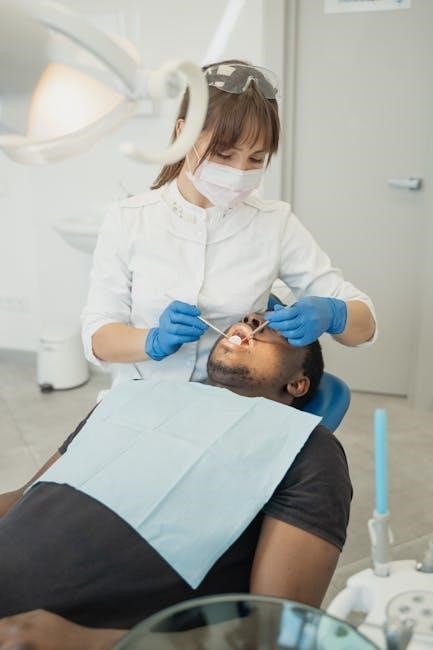
Content Focus Areas Based on Applicant Background
Letters should tailor content to the applicant’s path—dental school, residency, or job—emphasizing relevant skills, as seen in Bemo’s PDF examples.
For Dental School Applicants
Recommendation letters for dental school must emphasize academic prowess and research capabilities, mirroring examples from Bemo Academic Consulting’s PDF resources.
Focus on qualities like diligence, enthusiasm for learning – as demonstrated by Regina George’s microbiology and biochemistry projects – and a clear commitment to dentistry.
Highlight research experience, specifically projects related to oral health, like investigations into bacterial profiles or fluoride’s impact. The letter should articulate how the applicant’s skills, such as those honed as a lab assistant, translate to success in a demanding dental curriculum.
Admissions committees seek candidates with both intellectual curiosity and practical abilities, so showcase both effectively.
For Residency Program Applicants
Recommendation letters for dental residency programs require a shift in focus, moving beyond academic potential to clinical skills and professional maturity.
While academic achievements, like Regina George’s research projects detailed in Bemo Academic Consulting’s PDF examples, remain relevant, emphasize hands-on experience and patient interaction.
Letters should detail the applicant’s performance in clinical rotations, highlighting specific skills and their ability to apply knowledge to real-world scenarios. Demonstrating fine motor skills, lab management, and organizational abilities are crucial.
The letter should also address the applicant’s professionalism, teamwork skills, and suitability for a demanding residency program.
For Job Applicants
Recommendation letters for dental job applications should emphasize practical skills and professional attributes directly applicable to the position.
Unlike academic contexts, as illustrated in Bemo Academic Consulting’s PDF examples, research experience takes a backseat to clinical proficiency and patient care abilities.
Letters should highlight the applicant’s ability to perform specific dental procedures, manage patient expectations, and work effectively within a dental practice setting. Mentioning fine motor skills and lab management, as seen in student assistant roles, is valuable.
Focus on qualities like reliability, communication skills, and a commitment to ethical practice. The letter should clearly articulate why the applicant is the best candidate for the job.
Structuring the Letter for Maximum Impact
Letters should begin by establishing the writer’s relationship, followed by detailed strengths—clinical and personal— mirroring the focused approach in Bemo’s PDF examples.
Paragraph 1: Establishing Relationship and Overall Assessment
This initial paragraph firmly establishes the recommender’s connection to the applicant, detailing the context and duration of their acquaintance. As exemplified in the Bemo Academic Consulting PDF sample, a strong opening clearly states the role held by the writer – for instance, a professor of Microbiology and Biochemistry.
Crucially, this section provides an overall assessment of the applicant’s character and potential. The sample letter for Regina George immediately conveys “immense pleasure” in recommending her, setting a positive tone. It’s vital to articulate a confident belief in the applicant’s suitability for dentistry, highlighting their sincerity, diligence, and enthusiasm for learning, laying a foundation for specific examples to follow.
Paragraph 2: Detailing Specific Strengths (Clinical Skills)
This paragraph focuses on demonstrable skills relevant to dentistry. While direct clinical experience might be limited for applicants, the Bemo Academic Consulting PDF illustrates how to highlight transferable abilities. Regina George’s experience as a student lab assistant is a prime example.
The letter emphasizes her “fine motor skills” – essential for dental procedures – alongside her “management and organization” of the lab. This demonstrates responsibility and attention to detail. Recommenders should connect academic or extracurricular activities to the demands of the profession, showcasing how the applicant’s skills translate to a dental setting, even without direct patient care experience.
Paragraph 3: Detailing Specific Strengths (Personal Qualities)
Beyond technical skills, this section highlights the applicant’s character. The Bemo Academic Consulting example emphasizes Regina George’s “sincere and diligent” nature, portraying her as a dedicated student. The recommender expresses excitement about her decision to pursue dentistry, believing it aligns perfectly with her abilities and desire to “help other people.”
This demonstrates a genuine interest in the field, not just academic achievement. Recommenders should articulate qualities like empathy, communication skills, and a strong work ethic. Connecting these traits to the demands of patient care strengthens the letter, showing the applicant possesses the personal attributes crucial for success as a dentist.
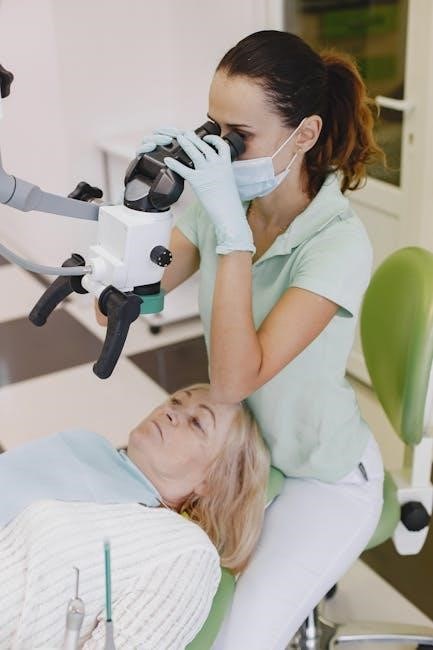
Formatting and Delivery of the Letter
Letters should be submitted as PDFs, maintaining formatting. Length is typically one page, using a professional font. Follow specific program submission guidelines carefully.
PDF Format Requirements
Recommendation letters for dentists must be submitted in PDF format to ensure consistent formatting across all platforms and devices. This prevents unintended alterations to the letter’s layout during transmission. The PDF should be a scanned copy of the original signed letter, or digitally signed for authenticity.
Avoid submitting editable formats like Word documents (.doc or .docx), as these can be easily modified. Ensure the PDF is not password-protected, as this may hinder the review process. File size should be reasonable for easy email transmission, generally under 2MB.
Bemo Academic Consulting emphasizes the importance of a professional presentation, and a correctly formatted PDF contributes significantly to this impression. A clear, legible PDF demonstrates respect for the recipient’s time and attention.
Letter Length and Font
A standard recommendation letter for a dentist should ideally be one full page in length – approximately 400-. This allows sufficient space to detail the applicant’s skills and qualities without being overly verbose. Brevity is appreciated, but thoroughness is essential.
Regarding font, use a professional and easily readable typeface such as Times New Roman or Arial, in a size between 11 and 12 points. Maintain consistent formatting throughout the letter.
Adequate margins (around 1 inch) contribute to readability. As seen in Bemo Academic Consulting’s PDF examples, a well-structured letter with clear formatting enhances the overall impact and professionalism of the recommendation;
Submission Guidelines
Most dental school, residency, and job applications utilize online submission portals. Recommendation letters are typically uploaded directly by the letter writer, following specific instructions provided by the institution.
Ensure the letter is submitted as a PDF to preserve formatting, as highlighted in resources like Bemo Academic Consulting’s sample PDF. Some programs may require letters to be sent directly from the recommender via email.
Pay close attention to deadlines! Late submissions can negatively impact an application. Confirm submission success and retain a copy for your records. Following these guidelines demonstrates professionalism and respect for the application process.
Sample Letter Elements (Based on Available Data)
Sample letters, like those from Bemo, emphasize research (saliva bacteria, fluoride effects) and crucial skills—fine motor skills and lab organization—for dentists.
Highlighting Research Experience
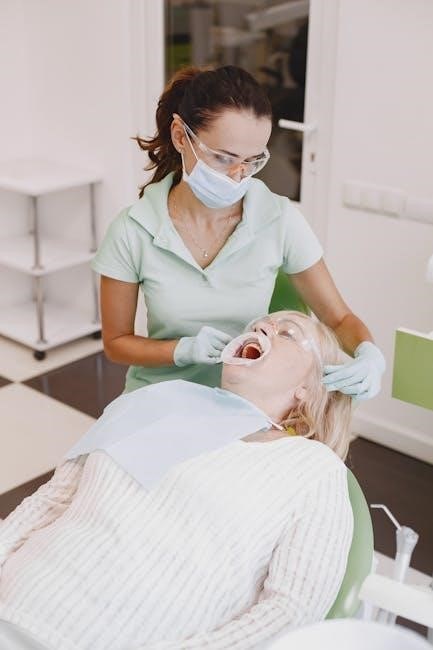
Recommendation letters should vividly detail a dentist applicant’s research involvement, as exemplified in Bemo Academic Consulting’s PDF samples; For instance, a letter might describe a student’s project on “Bacterial profiles of saliva in relation to diet and lifestyle factors,” showcasing their interest in oral microbiology.
Furthermore, the letter can elaborate on projects like “Effects of fluorides in drinking water on teeth,” noting interesting findings—such as potential harm from artificial fluoridation. Detailing the student’s contributions, analytical skills, and the resulting knowledge gained is vital.
Specifically mentioning the student’s initiative, dedication, and ability to formulate insightful conclusions from research strengthens the letter’s impact, demonstrating preparedness for advanced dental studies or practice.
Mentioning Fine Motor Skills & Lab Management
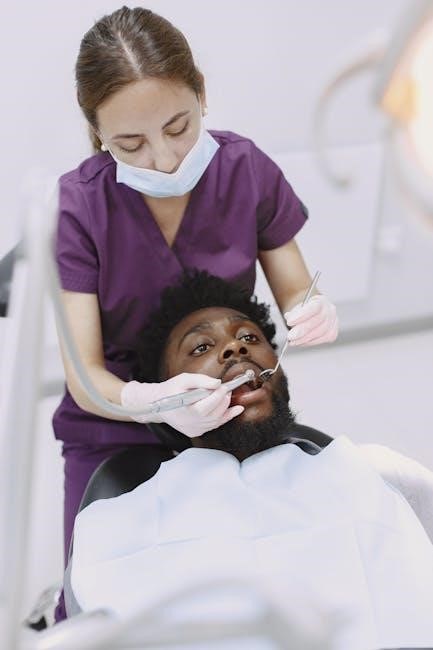
Recommendation letters for dentists should emphasize practical skills, like fine motor coordination, crucial for dental procedures. Bemo Academic Consulting’s PDF examples illustrate this, noting a student’s role as a biology lab assistant.
The letter can detail how the applicant demonstrated dexterity and precision while assisting others, particularly first-year students. Highlighting lab management abilities—organization, maintaining equipment, and ensuring a safe environment—is equally important.
Specifically mentioning the applicant’s responsibility and efficiency in these tasks showcases their preparedness for the demands of a dental setting. This demonstrates a proactive attitude and a capacity for meticulous work, vital qualities for success.
Resources for Further Information
Bemo Academic Consulting provides valuable dental school LOR examples in PDF format, offering insights into effective recommendation letter content and structure.
Bemo Academic Consulting Examples
Bemo Academic Consulting offers a readily accessible resource: Dental School LOR Examples in PDF format. These samples demonstrate the qualities admissions committees seek in recommendation letters.
The provided example letter for Ms. Regina George, penned by a Microbiology and Biochemistry professor, illustrates a strong endorsement. It details her enthusiasm for research, specifically mentioning projects on bacterial profiles in saliva and the effects of fluorides.
Notably, the example highlights skills crucial for dentistry – diligence, research aptitude, and even practical abilities gained as a student lab assistant, showcasing fine motor skills and organizational capabilities. These PDF resources are invaluable for both applicants and letter writers, providing a clear benchmark for impactful recommendations.