

Air Optix Multifocal fitting utilizes a consistent two-step process, achieving a remarkable 96% success rate with minimal lens adjustments for presbyopic patients.
Understanding Presbyopia and Multifocal Lenses
Presbyopia, the age-related loss of near focusing ability, necessitates vision correction for tasks like reading. Multifocal lenses address this by incorporating multiple powers – distance and near – within a single lens.
Air Optix Multifocal lenses employ a unique design to provide clear vision at all distances. Understanding the patient’s visual demands and the principles of multifocal optics is crucial for successful fitting, ensuring comfortable and effective vision correction.
Air Optix Multifocal Lens Design Overview
Air Optix Multifocal lenses feature a center-near design, prioritizing near and intermediate vision while maintaining distance clarity. This design utilizes three distinct zones – distance, intermediate, and near – seamlessly blended for smooth transitions.
The lens material, Silicone Hydrogel, ensures high oxygen permeability for comfortable wear. Notably, Dailies AquaComfort Plus Multifocal shares this identical design, offering flexibility in wearing modalities.

Patient Assessment for Air Optix Multifocal Fitting
Comprehensive evaluation is crucial, including refraction, add power determination, and corneal topography, to understand individual visual needs and lens suitability.
Comprehensive Eye Examination
A thorough eye exam is the foundation for successful Air Optix Multifocal fitting. This includes assessing visual acuity at distance and near, evaluating ocular health, and measuring pupil size in varying lighting conditions.
Importantly, rule out any pathology that could contraindicate contact lens wear. Detailed case history regarding lifestyle and visual demands is also essential for optimal lens selection and patient expectations.
Refraction and Add Power Determination
Accurate refraction, including a monocular add power determination, is crucial. Begin with a best spectacle correction, then refine the add power using plus and minus additions during subjective refraction.
Consider the patient’s binocular vision status; a comfortable and clear reading addition is paramount. Over-refraction techniques help fine-tune the add power for optimal visual performance with Air Optix Multifocal lenses.
Corneal Topography and Evaluation
Corneal topography is essential to assess corneal health and rule out irregularities that could impact lens fit and visual acuity. Evaluate parameters like astigmatism and corneal diameter to select appropriate Air Optix Multifocal lens parameters.
Mapping helps identify any corneal abnormalities, ensuring a comfortable and successful fit. A healthy corneal surface is vital for optimal lens performance and patient comfort.
Fitting Process: A Two-Step Approach
Air Optix Multifocal fitting employs a streamlined two-step method: initial lens selection with over-refraction, followed by refinement for optimal vision correction.
Step 1: Initial Lens Selection and Over-Refraction
Initially, select a diagnostic lens based on the patient’s refraction. Over-refraction is crucial; typically, plus 0.50 to 1.00 D is added to the distance prescription. This compensates for the expected minus drift often experienced with multifocal contact lenses.
Evaluate binocular vision and subjective responses carefully. Remember, the goal is to establish a starting point for fine-tuning, not a final prescription. Consider patient history and lifestyle during this initial assessment.
Step 2: Refinement and Optimization
Following the initial fitting, refine the prescription based on patient feedback. Adjust the add power in 0.25D increments, prioritizing comfortable near vision without compromising distance clarity. Monitor for symptoms like glare or halos, indicating potential over-correction.
Evaluate lens stability and rotation. Consider a slight adjustment to the base curve or diameter if needed. Patient comfort is paramount; address any dryness or irritation promptly to ensure long-term success.
Determining Add Power
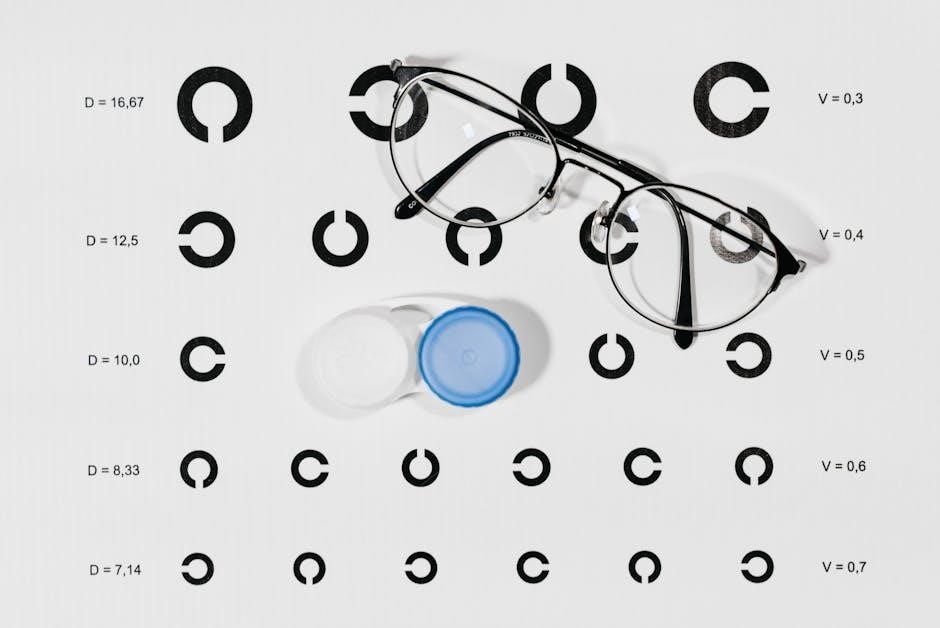
Add power selection is crucial; low adds (+0.75 to +1.50) are common, while higher adds (+2.75 to +3.50) require careful consideration and refinement.
Low Add Powers (+0.75 to +1.50)
For low add powers, initiate the fitting with the patient’s current distance Rx, adding +0.75 to +1.50. Over-refraction is key; a slight plus refinement often improves near acuity. Consider a monovision assessment if initial multifocal attempts prove challenging. Patient feedback regarding clarity at all distances is vital for successful adaptation, ensuring comfortable vision.
Intermediate Add Powers (+1.75 to +2.50)
With intermediate adds, begin the fitting process utilizing the patient’s existing distance prescription, incorporating an add power between +1.75 and +2.50. Careful over-refraction is crucial, often requiring a slight plus or minus adjustment. Monitor for potential glare or halos, and assess binocularity thoroughly to optimize visual performance and patient comfort.
High Add Powers (+2.75 to +3.50)
For high add powers, a more conservative approach to over-refraction is generally recommended. Start with the prescribed distance power and add, then adjust in small increments. Pay close attention to distance acuity, as higher adds can sometimes compromise it. Ensure adequate illumination during assessment, and consider a trial frame evaluation if needed.

Distance Power Selection
Begin with the patient’s existing spectacle prescription, utilizing trial lens sets for precise refinement and diagnostic fitting to optimize visual clarity.
Considering Existing Spectacle Prescription
Start by thoroughly reviewing the patient’s current spectacle prescription, noting any recent changes or complaints regarding their vision correction. Utilize this information as a foundational starting point for the contact lens fitting process. However, remember that spectacle refraction and contact lens refraction are not identical; adjustments are almost always necessary. Carefully assess the patient’s visual needs and lifestyle to determine if a slight modification to the spectacle prescription is warranted when initiating the trial lens fitting.
Trial Lens Sets and Diagnostic Fitting
Employ diagnostic sets containing a range of Air Optix Multifocal parameters, including varying add powers and base curves, to facilitate an efficient fitting. Begin with a trial lens that closely matches the spectacle prescription, then systematically evaluate different add powers. Over-refraction is crucial; refine the distance power to optimize visual acuity. Observe lens centration, movement, and overall comfort during the diagnostic fitting process.
Continuous Wear Considerations
PureVision 2 for Presbyopia offers a center-near design approved for 30-day continuous wear, ideal for patients desiring uninterrupted vision correction.
Suitable Candidates for Continuous Wear
Ideal candidates demonstrate a history of successful continuous wear with previous lenses, exhibit excellent lens handling skills, and possess adequate tear film production to minimize discomfort. Patients should be motivated and understand the importance of diligent hygiene, even with extended wear.
Careful assessment of ocular surface health is crucial; those with dry eye or blepharitis may not be suitable. A stable prescription and overall good ocular health are also prerequisites for safe and comfortable continuous wear.
Specific Lens Options for Continuous Wear (e.g., PureVision 2 for Presbyopia)
PureVision 2 for Presbyopia (Bausch + Lomb) stands out as a prime choice, boasting FDA approval for up to 30 days of continuous wear. Its center-near design effectively addresses near vision needs while maintaining distance clarity.
Air Optix Multifocal, while excellent, may require more careful monitoring for extended wear suitability. Consider material and design when selecting, prioritizing patient comfort and ocular health throughout the fitting process.
Monovision vs. Multifocal Fitting
Evaluate patient lifestyles to determine if monovision or multifocal Air Optix lenses are best. Success rates and satisfaction vary based on individual visual demands.
Evaluating Patient Lifestyle and Visual Needs
Thoroughly assess the patient’s daily routines and visual demands. Consider computer use duration, reading habits, driving frequency, and hobbies. A patient desiring continuous wear, like the 53-year-old male example, benefits from PureVision 2 for Presbyopia. Conversely, a patient experiencing diminished near vision with monovision, such as the 51-year-old female, may thrive with a multifocal approach. Understanding these needs guides optimal lens selection.
Comparing Success Rates and Patient Satisfaction
Alcon reports a 96% fit success rate with Air Optix Multifocal lenses, often achieved within two lenses or fewer. Monovision can be effective, but multifocal designs often yield higher patient satisfaction, particularly for those desiring comprehensive vision correction. Success hinges on accurate assessment and a personalized fitting approach, addressing individual visual demands and lifestyle factors for optimal outcomes.
Troubleshooting Common Fitting Challenges
Common issues include blurry vision, lens rotation, and discomfort. Over-refraction and parameter adjustments are key to resolving these problems and ensuring optimal vision.
Blurry Vision at Distance or Near
Blurry vision often necessitates a careful over-refraction, adjusting the distance or near power to optimize clarity. Incorrect add power is a frequent culprit; reassess and refine the add based on patient feedback. Consider lens rotation, as misalignment impacts visual acuity. A thorough refraction and diagnostic lens trial are crucial for pinpointing the source of the blur, ensuring a comfortable and clear visual experience.
Lens Rotation and Stability Issues
Lens rotation can stem from improper fit or blinking patterns, distorting the multifocal design. Evaluate lid tightness and corneal topography to identify contributing factors. Diagnostic fitting with different base curves or diameters may enhance stability. Patient education on proper lens handling and awareness of rotation symptoms is vital for successful adaptation and consistent clear vision.
Discomfort and Dryness
Discomfort and dryness can arise from inadequate tear film or lens material mismatch. Assess tear film dynamics and consider HydraGlyde Moisture Technology within Air Optix lenses. Recommend lubricating drops and evaluate blinking patterns. A tighter fitting lens may reduce dryness, but monitor for corneal hypoxia. Proper lens cleaning is also crucial for comfort.
Fitting Success Rates and Statistics
Alcon reports an impressive 96% fit success rate with Air Optix Multifocal, often achieved within two lenses or fewer, demonstrating high predictability.
Alcon’s Reported 96% Fit Success Rate
Alcon consistently highlights a 96% initial fit success rate for Air Optix Multifocal contact lenses. This notable statistic is frequently cited, indicating high predictability and efficiency in fitting. The success is often realized utilizing just two lenses or fewer during the fitting process, streamlining the experience for practitioners.
Factors Influencing Fitting Success
Several elements contribute to successful Air Optix Multifocal fittings. Patient selection, including lifestyle and visual demands, is crucial. Accurate refraction and add power determination are paramount, alongside a thorough corneal evaluation. Adherence to Alcon’s two-step fitting process significantly boosts success, as does proper patient education regarding lens care.
Lens Care and Patient Education
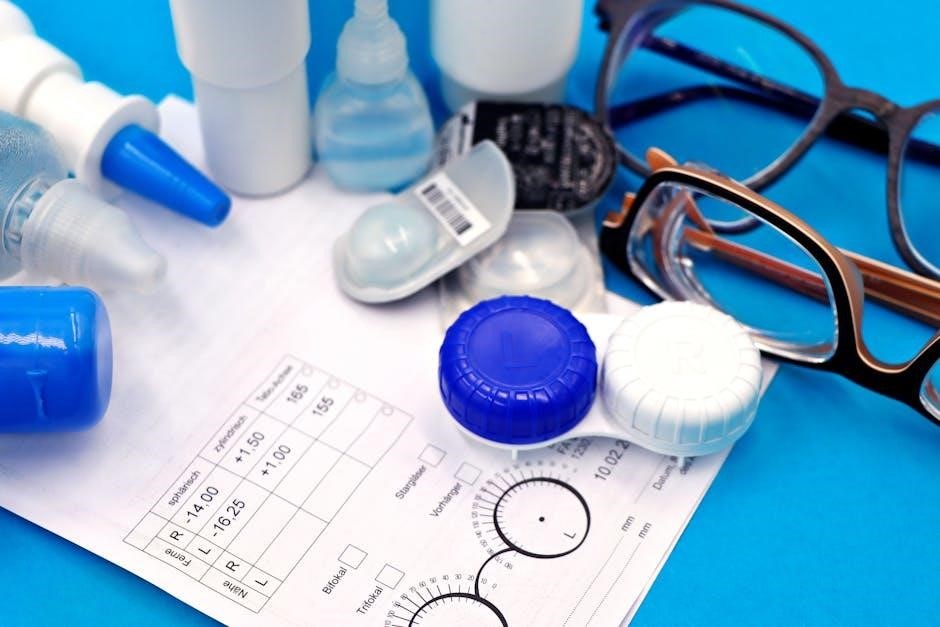
Proper handling, diligent cleaning, and utilizing recommended solutions are vital for Air Optix Multifocal wearers to maintain comfort and ocular health.
Proper Handling and Cleaning Procedures
Patients should always wash and dry hands thoroughly before handling Air Optix Multifocal lenses. Inspect lenses for damage before insertion. Rub and rinse with a multipurpose solution, even with daily disposable habits, to remove deposits. Never use tap water, as it contains harmful microorganisms. Store lenses in a clean case filled with fresh solution, and replace the case regularly to prevent contamination. Avoid harsh soaps or lotions that could affect the lens surface.
Recommended Cleaning Solutions
Alcon recommends using cleaning solutions specifically designed for silicone hydrogel lenses like Air Optix Multifocal; Aqueous-based multipurpose solutions are generally suitable, effectively removing debris and disinfecting the lenses. Avoid solutions containing hydrogen peroxide unless a neutralizing step is followed. Consider solutions with hydrating agents to enhance comfort, especially for continuous wear. Always follow the solution manufacturer’s instructions for proper use and storage.

Follow-Up Visits and Adjustments
Regular check-ups are crucial to assess vision and lens fit, allowing for necessary parameter adjustments to optimize comfort and visual acuity for patients.
Importance of Regular Check-Ups
Consistent follow-up visits are paramount for Air Optix Multifocal fittings, typically scheduled one to two weeks post-initial fitting, and again after one month. These evaluations assess patient adaptation, visual performance, and lens comfort. Monitoring ensures optimal correction and identifies any emerging issues like blurry vision or discomfort. Adjustments to lens parameters, such as power or base curve, can then be implemented to refine the fit and maximize patient satisfaction, leading to long-term success.
Making Necessary Parameter Adjustments
Parameter adjustments are frequently needed during Air Optix Multifocal fittings. This may involve altering the distance power, add power, or base curve. If blurry vision persists, slight over-refraction adjustments can be beneficial. Lens rotation issues may necessitate a base curve change. Patient feedback is crucial; adjustments should address reported symptoms, optimizing both distance and near vision for comfortable, clear sight.

Air Optix Multifocal vs. Other Multifocal Lenses
Air Optix Multifocal shares its design with Ciba Dailies Aqua Comfort Plus Multifocal, differing primarily in material and replacement schedule options.
Comparing Designs and Materials
Air Optix Multifocal employs a concentric, add-power-in-the-distance design, utilizing silicone hydrogel for high oxygen permeability. Dailies Aqua Comfort Plus Multifocal, sharing this design, is a hydrogel daily disposable. Material choice impacts comfort and oxygen delivery; silicone hydrogel generally offers superior breathability. Considering patient needs—like continuous wear versus daily disposables—guides material selection, balancing vision correction with ocular health and lifestyle preferences.
Considering Patient-Specific Needs
Successful Air Optix Multifocal fitting demands personalized assessment. A 53-year-old desiring continuous wear may benefit from PureVision 2 for Presbyopia. Conversely, a patient like the 51-year-old with monovision dissatisfaction requires careful refraction. Lifestyle, visual demands, and prior contact lens experience dictate the optimal approach—monovision or multifocal—prioritizing patient comfort and visual acuity.

Case Studies: Successful Fittings
Real-world examples demonstrate successful transitions from monovision and first-time multifocal fittings, highlighting the Air Optix Multifocal’s adaptability and high success rates.
Example 1: Transitioning from Monovision
A 51-year-old female, previously successful with monovision Air Optix Aqua, experienced declining near vision sharpness. Transitioning to Air Optix Multifocal offered a solution, providing both distance and near correction in a single lens. This avoided compromising distance acuity while restoring comfortable near vision, enhancing overall visual experience.
Example 2: Fitting a First-Time Multifocal Wearer
A 53-year-old male, thriving with 30-day continuous wear lenses, desired a soft multifocal option without sacrificing continuous wear comfort. PureVision 2 for Presbyopia (Bausch + Lomb) proved ideal, featuring a center-near design approved for 30-day continuous wear, seamlessly accommodating his lifestyle and visual needs.
Resources for Practitioners
Alcon provides comprehensive fitting guides and support materials, alongside access to valuable online forums and continuing education opportunities for practitioners.
Alcon’s Fitting Guides and Support Materials
Alcon offers extensive resources to aid practitioners in successful Air Optix Multifocal fittings. These include detailed fitting guides outlining the recommended two-step process, emphasizing initial lens selection and refinement. Support extends to online tools, case studies demonstrating successful transitions – like monovision correction – and readily available assistance from Alcon’s professional support team. Practitioners can access these materials to optimize patient outcomes and streamline the fitting experience, ensuring high satisfaction rates.
Online Forums and Continuing Education
Staying current with Air Optix Multifocal fitting techniques is crucial. Numerous online forums provide platforms for peer-to-peer discussion, sharing experiences, and troubleshooting challenges. Furthermore, various continuing education courses, often sponsored by Alcon, delve into advanced fitting methodologies and new lens technologies. These resources empower practitioners to refine their skills and deliver optimal vision correction for presbyopic patients, enhancing overall patient care.
Optimizing Patient Outcomes
Personalized fitting and staying updated on Air Optix Multifocal advancements are key to maximizing patient satisfaction and achieving superior visual results.
The Importance of a Personalized Approach
Successful Air Optix Multifocal fitting demands recognizing each patient’s unique visual demands and lifestyle. Monovision versus multifocal choices hinge on individual needs; a thorough assessment is crucial. Consider continuous wear preferences, like transitioning to PureVision 2 for Presbyopia, if appropriate.
Don’t rely solely on standard guides; adapt the two-step fitting process. Prioritize understanding patient expectations to optimize outcomes and ensure lasting comfort and clear vision.
Staying Updated on Lens Technology
Air Optix Multifocal design shares similarities with Ciba’s Dailies Aqua Comfort Plus Multifocal, highlighting the importance of understanding core design principles. Continuous innovation necessitates ongoing education; Alcon provides fitting guides and support materials.
Explore online forums and continuing education opportunities to refine fitting techniques. Staying abreast of advancements ensures practitioners deliver optimal, personalized vision correction solutions.