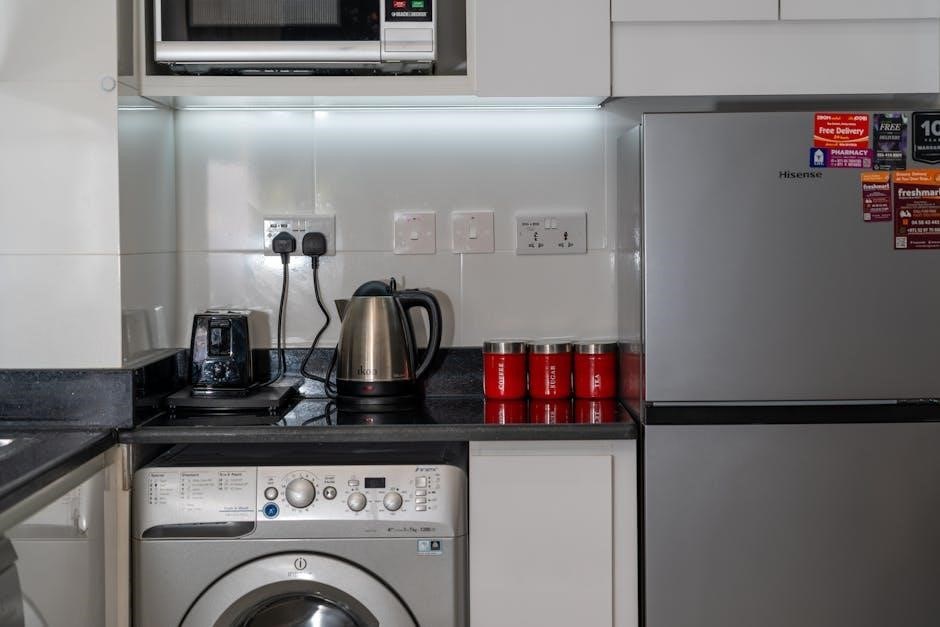
Hisense American Fridge Freezer Manual: A Comprehensive Guide
Navigating Hisense’s appliance range reveals consistent innovation, particularly in their fridge freezers; this manual provides detailed guidance for optimal performance and longevity.
Understanding Your Hisense American Fridge Freezer
Hisense American fridge freezers represent a blend of modern cooling technology and convenient design, offering substantial storage and advanced features. These appliances typically include a spacious refrigerator compartment, a large-capacity freezer, and often, an integrated ice and water dispenser. Understanding the core components – the cooling system, air circulation pathways, and control mechanisms – is crucial for efficient operation.
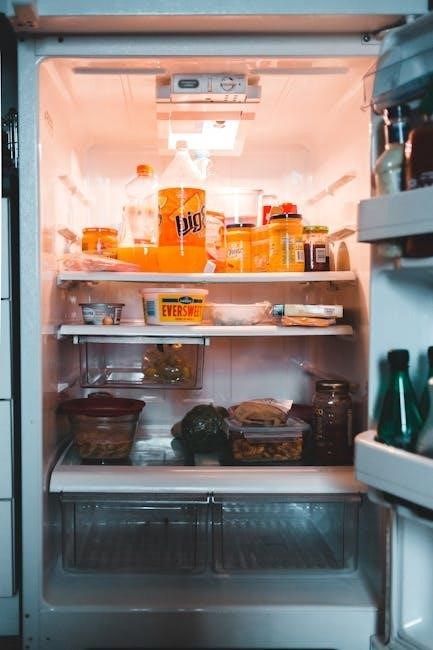
Key features often include adjustable shelving, humidity-controlled crisper drawers to maintain produce freshness, and specialized compartments for items like deli meats and dairy. The freezer section frequently boasts multiple drawers and shelves for organized storage. Modern models may also incorporate smart technology, allowing remote monitoring and control via a smartphone app. Familiarizing yourself with these elements will enhance your overall experience and ensure optimal food preservation.
Model Number Identification & Where to Find It
Locating your Hisense American fridge freezer’s model number is essential for accessing specific support, manuals, and replacement parts. This unique identifier allows Hisense and authorized service providers to accurately pinpoint your appliance’s specifications. Typically, the model number is found on a sticker or plate located inside the refrigerator compartment.
Common locations include the upper side wall, near the top of the fridge, or on the crisper drawers. It may also be situated on the exterior rear of the appliance, though accessing this requires carefully pulling the fridge away from the wall. The sticker will usually contain other important information, such as the serial number and manufacturing date. Keep this information readily available for future reference and when contacting customer support.
Initial Setup and Installation
Proper initial setup is crucial for ensuring your Hisense American fridge freezer operates efficiently and reliably. Begin by carefully unpacking the appliance and inspecting it for any shipping damage. Allow the unit to stand upright for at least four hours before plugging it in, enabling the refrigerant to settle. Choose a location with adequate ventilation, away from direct sunlight and heat sources.
Ensure the floor is level and strong enough to support the fridge freezer’s weight. Avoid placing it near flammable materials. Before connecting to power, verify the voltage matches your household supply. Once plugged in, avoid immediate loading with food; allow the appliance to reach its set temperature first. Refer to subsequent sections for detailed instructions on water line connection and leveling.
Water Line Connection & Filtration System
Connecting a water line is essential for utilizing the ice maker and water dispenser. Use a ¼ inch copper or PEX tubing, ensuring it’s free from kinks. Shut off the main water supply before connecting. Hisense recommends using a saddle valve or a dedicated water supply line for optimal pressure. Securely connect the tubing to the fridge freezer’s water inlet valve, tightening appropriately to prevent leaks.
The integrated filtration system improves water quality and ice clarity. Locate the water filter, typically within the fridge compartment. Follow the instructions for filter installation, flushing the system for several minutes to remove air. Regularly replacing the filter (every six months is recommended) maintains optimal performance and water taste.
Leveling the Appliance & Door Adjustment
Proper leveling is crucial for optimal door sealing and appliance operation. Use a spirit level to check both the front-to-back and side-to-side alignment. Adjust the leveling feet, located at the bottom corners of the fridge freezer, until the appliance is perfectly level. This prevents wobbling and ensures efficient cooling.
Door adjustment ensures a tight seal, preventing cold air leakage. If doors aren’t aligned, use the adjustment screws (typically found on the hinges) to fine-tune their position. Ensure both doors close securely and evenly. Correct door alignment minimizes energy consumption and maintains consistent temperatures within the refrigerator and freezer compartments. Regularly check and adjust as needed.
Control Panel Overview & Functions
The Hisense American Fridge Freezer’s control panel is your central hub for managing appliance settings. Typically located on the exterior door, it features a digital display and intuitive buttons or a touchscreen interface. Common functions include temperature adjustment for both the refrigerator and freezer compartments, ice maker control (on/off, ice type selection), and water dispenser activation.
Additional features may include quick freeze/cool options for rapidly chilling items, door alarm settings, and potentially smart connectivity options for remote control via a mobile app. The panel also displays error codes to assist with troubleshooting. Familiarize yourself with each button’s function for efficient operation.
Temperature Control Settings
Maintaining optimal temperatures is crucial for food preservation. Your Hisense American Fridge Freezer allows precise control over both refrigerator and freezer settings. The recommended refrigerator temperature is between 37°F (3°C) and 40°F (4°C), while the freezer should be set to 0°F (-18°C).
Adjustments are typically made via the control panel, using plus and minus buttons or a digital input. Avoid drastic temperature changes, as this can affect food quality. Some models feature ‘Super Cool’ and ‘Super Freeze’ functions for rapid cooling, ideal for new groceries or freezing large quantities. Regularly monitor temperatures to ensure consistent performance and food safety.
Refrigerator Temperature Adjustment
Adjusting the refrigerator temperature is straightforward using the control panel. Typically, pressing the ‘Refrigerator’ or ‘Fridge’ button accesses the temperature settings. Use the up and down arrows, or the numerical keypad if equipped, to select your desired temperature. A recommended starting point is 38°F (3°C).
Allow 24 hours for the temperature to stabilize after each adjustment. Monitor food temperatures with a thermometer to verify accuracy. If condensation forms, slightly increase the temperature. For heavily loaded refrigerators, a lower temperature may be necessary. Remember, consistent temperatures are key to preserving freshness and preventing spoilage. Avoid frequent adjustments for optimal efficiency.
Freezer Temperature Adjustment
Controlling freezer temperature ensures optimal food preservation. Access the freezer settings via the control panel, usually by pressing the ‘Freezer’ button. Utilize the arrow keys or numerical pad to set your preferred temperature. A standard recommended setting is 0°F (-18°C).
Allow a full 24 hours for the freezer to reach the newly selected temperature. Regularly check food for proper freezing; excessively soft food indicates a temperature that’s too high. Conversely, icy buildup suggests it’s too low. Avoid frequent adjustments to maintain consistent freezing. Proper freezer temperature prevents freezer burn and extends the shelf life of frozen goods, ensuring food safety and quality.
Ice & Water Dispenser Operation
Utilizing the ice and water dispenser is straightforward. For water, firmly press a glass against the dispenser paddle; release to stop the flow. For ice, select either cubed or crushed ice via the designated setting on the control panel. Press a glass against the ice dispenser paddle to receive ice, releasing to halt dispensing.
Ensure the water supply is connected and the filter is functioning correctly for optimal performance. If dispensing is slow, check for ice blockage in the chute. Regularly clean the dispenser area with a damp cloth to maintain hygiene. Avoid using excessive force when pressing the paddle to prevent damage.
Smart Features & Connectivity (If Applicable)
Certain Hisense American fridge freezer models incorporate smart technology, enabling remote control and monitoring via a dedicated mobile application. Connectivity is typically established through a home Wi-Fi network. Download the Hisense ConnectLife app (or equivalent) from your app store and follow the on-screen instructions to pair your appliance.
Smart features may include temperature adjustment, diagnostic checks, and notification alerts (e.g., door ajar, filter replacement). Ensure a stable Wi-Fi connection for reliable operation. Refer to the app’s help section for detailed guidance on utilizing all available functionalities. Regularly update the app and appliance firmware for optimal performance and security.
Cleaning & Maintenance
Regular cleaning ensures optimal performance and hygiene for your Hisense American fridge freezer. Disconnect the appliance from the power supply before commencing any cleaning procedures. For interior cleaning, use a mild detergent solution and warm water; avoid abrasive cleaners. Remove shelves and drawers for thorough washing. Wipe down all interior surfaces, including door seals.
For exterior cleaning, particularly stainless steel models, use a dedicated stainless steel cleaner to prevent streaks and maintain shine. Regularly clean the condenser coils (located at the rear) with a vacuum cleaner brush attachment. Replace the water filter as recommended to maintain water quality. Dry all components thoroughly before reassembly.
Interior Cleaning Procedures
Begin by removing all food items and shelving from the refrigerator and freezer compartments. Discard any expired or spoiled food. Wash removable parts – shelves, drawers, and door bins – with warm, soapy water. Rinse thoroughly and allow to air dry. For the interior walls, use a mild detergent solution and a soft cloth.
Avoid abrasive cleaners, as they can damage the surfaces. Pay close attention to spills and stains, cleaning them promptly. Don’t forget to wipe down the door seals to maintain a tight seal. After cleaning, ensure all parts are completely dry before replacing them and restocking the fridge freezer. A clean interior promotes hygiene and efficiency.
Exterior Cleaning & Stainless Steel Care
To maintain the pristine appearance of your Hisense American fridge freezer’s exterior, use a mild detergent and warm water with a soft cloth. Avoid abrasive cleaners, scouring pads, or steel wool, which can scratch the surface. For stainless steel models, cleaning with the grain is crucial to prevent streaks.
Special stainless steel cleaners are available for a polished finish. After cleaning, dry the exterior thoroughly with a clean, soft cloth. Regularly wiping down the exterior prevents buildup of fingerprints and grime. Pay attention to the door handles, as these are frequently touched. Consistent care preserves the appliance’s aesthetic appeal and prevents corrosion.

Troubleshooting Common Issues
Encountering minor issues with your Hisense American fridge freezer is common. Before contacting support, check basic elements: is the appliance plugged in and receiving power? Verify the temperature settings are correct. If experiencing cooling problems, ensure the condenser coils are clean and free of dust.
Unusual noises might indicate an uneven leveling – adjust the feet accordingly. For dispenser issues, confirm the water line is connected and the water supply is turned on. This section addresses frequent concerns, offering simple solutions to restore optimal function. If problems persist, consult the full manual or contact Hisense customer service.
No Water Dispensing
If your Hisense American fridge freezer isn’t dispensing water, several factors could be at play. First, verify the water supply valve is fully open. Check the water line for any kinks or blockages that might restrict flow. A frozen water line is also a common culprit, especially after extended periods of inactivity – allow time for thawing.
Ensure the water filter isn’t clogged; a replacement might be necessary. Confirm the dispenser lock feature isn’t activated. If these steps don’t resolve the issue, inspect the water inlet valve for malfunctions. Always disconnect power before attempting any internal checks.
Ice Maker Malfunctions
When the ice maker in your Hisense American fridge freezer stops working, begin by checking if it’s turned on – sometimes it’s accidentally switched off. Verify the freezer temperature is sufficiently cold (below 0°F / -18°C) for proper ice production. A full ice bin can also halt production; remove some ice to allow it to resume.
Inspect the water supply line to the ice maker for any obstructions or freezing; A faulty ice maker module might require replacement. Listen for unusual noises, which could indicate a mechanical issue. If problems persist, consult a qualified technician for diagnosis and repair.
Replacing the Water Filter
Maintaining optimal water quality requires regular filter replacement in your Hisense American fridge freezer. Typically, filters should be changed every six months, or sooner if water flow diminishes noticeably. Locate the filter, usually within the fridge compartment, often at the top right. Gently twist and pull to remove the old filter – a small amount of water spillage is normal.
Before installing the new filter, ensure it’s the correct replacement model for your appliance. Align the new filter and firmly push it into place until it locks. Flush the system by dispensing water for several minutes to remove any air or loose particles. This ensures clean, fresh-tasting water.
Door Alarm & Troubleshooting
Your Hisense American fridge freezer features a door alarm to prevent food spoilage. If the door is left open for more than a few minutes, a noticeable audible alarm will sound. Ensure the door is fully closed and that no items obstruct the door seal. Check for any debris preventing a tight seal; clean the seal with warm, soapy water.
If the alarm persists even with the door securely closed, there might be a sensor issue. Try resetting the appliance by unplugging it for 10 minutes, then plugging it back in; If the problem continues, consult the troubleshooting section of the full manual or contact Hisense support for assistance.

Energy Saving Tips
Maximize energy efficiency with your Hisense American fridge freezer; Avoid prolonged door openings, as each time the door opens, cold air escapes, forcing the appliance to work harder. Ensure proper ventilation around the unit; maintain several inches of space on all sides for optimal airflow. Regularly check and clean the condenser coils located at the back or bottom of the freezer – dust buildup reduces efficiency.
Set the refrigerator and freezer temperatures to recommended levels; avoid excessively cold settings. Don’t place hot food directly into the fridge; allow it to cool to room temperature first. A full freezer operates more efficiently than a sparsely filled one, so consider storing frozen goods strategically.
Warranty Information & Support
Your Hisense American fridge freezer is covered by a standard manufacturer’s warranty, typically encompassing one year for parts and labor. Extended warranty options may be available for purchase, providing additional coverage for extended periods. Retain your proof of purchase – the original receipt or invoice – as it’s essential for any warranty claims.
For support, visit the official Hisense website; a comprehensive FAQ section and troubleshooting guides are available. You can also contact Hisense customer support via phone or email, details of which are found in this manual and online. Registering your appliance online streamlines the support process and ensures you receive important updates.
Safety Precautions
Prioritize safety when installing and operating your Hisense American fridge freezer. Ensure the appliance is properly grounded to prevent electrical shock. Never attempt to repair the unit yourself; contact qualified technicians for servicing. Avoid storing flammable materials or liquids inside the refrigerator.
Keep ventilation openings clear of obstructions to prevent overheating. Do not overload electrical circuits. Regularly inspect the power cord for damage and replace it if necessary. Supervise children around the appliance, particularly regarding the water and ice dispenser. Disconnect the appliance before cleaning or performing maintenance. Always follow these guidelines for safe operation.